Showing posts with label ckd. Show all posts

Sunday, November 19, 2017

Benefits of broccoli to CKD patients


As we all know, diet plays an important role in our daily life, so CKD patients should attach great importance to diet. The benefits of broccoli for patients with kidney disease Basile is a healthy food that people of all countries in the world love and is also a common ingredient in European cuisine. Time magazine ranks fourth among the ten healthiest foods. So, broccoli for kidney disease patients what are the benefits?

Benefits of broccoli to CKD patients

Broccoli's nutritional content is very rich. Broccoli in a variety of minerals, such as calcium, potassium, iron, zinc, magnesium and so on. In addition, broccoli is also rich in vitamins, protein, carbohydrates and so on.

The most helpful feature of broccoli in patients with kidney disease is prevention of cardiovascular disease. Broccoli contains a large number of flavonoids, is the best blood vessel cleaning agent. It can lower cholesterol, blood lipids and high blood pressure, but also prevent platelet aggregation. These features of broccoli are very useful in preventing cardiovascular disease. We know that CKD patients are most likely to have cardiovascular disease, which is also the leading cause of death. Eating broccoli helps to reduce this risk.

In addition broccoli is rich in ascorbic acid, can promote liver detoxification function, help to improve the patient's immunity. In addition broccoli is rich in vitamin C, helps to prevent infection. Although patients with kidney disease should always pay attention to the prevention of infection, because the infection will seriously aggravate the patient's condition, taking broccoli can help them to improve the situation.

In addition broccoli can also bring many benefits to the patient. For example, the most obvious effect of broccoli may be to prevent cancer, is very beneficial to children's growth, in addition it has anti-aging function, is the ideal choice.

notes

People should pay attention to some aspects when taking broccoli.

One is the case of broccoli suitable for the growth of vegetable bugs, while pesticides often have residual pesticides. Therefore, patients should be immersed in saline for a few minutes, which can solve this problem.

For people with CKD, they can eat some broccoli, but not too much, otherwise the kidneys may be damaged rather than protected.

In addition, a small percentage of the substance causes swelling of the thyroid gland, which can be resolved by increasing iodine in the diet, which can be obtained from iodate or seaweed. Therefore, pay attention to when eating broccoli.

Tuesday, October 31, 2017

Bone disease in chronic kidney disease

Chronic kidney disease can affect the mineral balance in your bones – there are several ways in which these problems are managed and treated.

What is renal bone disease cause by?
People with Chronic Kidney Disease sometimes find their bones get weaker and thinner – becoming painful or breaking more easily – as a result of mineral loss. The most common types of bone disease happen when:

A change occurs in the balance between two important minerals in your body - calcium and phosphate - leading to loss of calcium from your bones.

Four small glands (parathyroid glands), which help to regulate calcium in your body, become too active.

A change occurs in the way your body uses vitamin D, a mineral that is important to healthy bones.

Each of the four types of bone disease affect bones in a different way:

Phosphate is in most foods you eat and whatever is not needed in the body is usually removed by your kidneys. When your kidneys have stopped working normally, phosphate may build up in your blood. Too much phosphate in your blood leads to loss of calcium from your bones, which tends to weaken them. Eating foods that are low in phosphate can help to prevent phosphate from building up in your blood. You may also need to take a medicine called a phosphate binder which helps to stop phosphate from being absorbed from the food you eat

Because phosphate stays in your body when your kidneys are no longer able to remove it, four small glands in your neck (parathyroid glands) become too active. When this happens, calcium is removed from your bones over a long period of time, causing them to weaken. Usually, this problem can be helped by making changes in your dialysis treatments, having a low phosphate diet and taking certain medications such as calcium and vitamin D. Surgery is sometimes necessary to remove some of these glands

Vitamin D is an important vitamin which affects your calcium balance. Normally, vitamin D from the food you eat and vitamin and mineral supplements, is changed by the kidneys into an ‘active’ form that can be used by the body. If your kidneys have failed, they can no longer do this important job. Fortunately, the active form of vitamin D is available as a medicine that can be ordered for you by your doctor if needed. (On the whole, over –the-counter vitamin D supplements should be avoided by people with Kidney Disease. Check with your doctor about the right supplements for you. The amount of vitamin D found in the foods you eat is not a problem.)

Will modifying my diet to help prevent renal bone disease?
By reducing phosphate in your diet, you can help to prevent the amount of phosphate in your blood from becoming too high. Foods high in phosphate include:

Dairy products such as milk and cheese

Dried beans and peas

Nuts and peanut butter

How can renal bone disease be treated?
Your treatment may include one or more of the following:

Reducing phosphate in your diet

Taking a medicine called a phosphate binder

Taking medicine with the active form of vitamin D

Changes in your dialysis treatment

An operation to remove the parathyroid glands

Will a kidney transplant help my bones?
A successful kidney transplant may help your bones to heal from the damage that may have occurred during the time prior to your transplant. However, immunosuppressive medication (corticosteroids) taken by some kidney transplant patients can cause problems.

Sunday, October 22, 2017

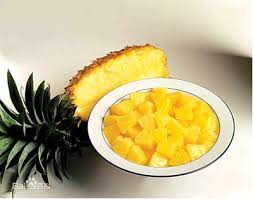
Chronic kidney failure can eat pineapple?

Patients with chronic renal failure must choose the fruit is good, because some fruits in the potassium or phosphorus content is high, which may make the disease worse, accelerate the kidney problem. Pineapple is a common nutritious fruit that has many health benefits, but due to restrictions on diet, chronic kidney failure should avoid eating too much pineapple.

The health benefits of pineapple

Pineapple is a vitamin C high, the body's main water-soluble antioxidant, resistance to attack and damage free radicals of normal cells.

Pineapple helps to relive sore throat, bronchitis and arthritis.

3. It is a good source of vitamin B1, vitamin B6, coconut and dietary fiber.

Pineapple contains manganese, it is our body used to build bone and connective tissue trace minerals. Therefore, eating pineapple regularly will help build and maintain strong bones.

Pineapples help improve digestion.

Pineapple is a high antioxidant that helps our body suffer from free radical damage, which can lead to atherosclerosis and diabetic heart disease and increase the risk of developing certain cancers such as colon cancer.

Why chronic kidney failure can not eat too much pineapple?

Pineapple high potassium. Kidney helps keep the level of potassium within the normal range; however, when the kidney function is severely affected, the potassium content in the blood will rise, causing heart problems and breathing problems.

2. Pineapple is useful for patients with heart disease, but it seems to reduce the time required for blood clotting, which is detrimental to patients with kidney and liver disease.

Chronic renal failure is an incurable disease that seriously affects the patient's life. Therefore, although pineapple has many health benefits, but patients with chronic renal failure before eating pineapple should be careful, prior to the doctor's permission.

If you want to know more please leave a message to me chinakidneytherapy@gmail.com.